What began with the meeting of two people has grown into a place of clean water, healthy food, practical learning, employment and hope for surrounding communities.
The borehole became the foundation on which the wider model farm and community work could grow.
A journey from friendship and a shared conviction to a living centre of sustainable development.
More than five years ago, I met a university student named Alfie at a conference on international development cooperation. At the time, he was working on peacebuilding projects in the Kibera slums of Nairobi, dedicating himself to improving the lives of disadvantaged communities.
From our very first meeting, a strong friendship developed. Over the following years, we worked together on a variety of small projects and discovered that we shared the same conviction: sustainable development can only succeed when people are empowered to shape their own future.
When Alfie inherited a piece of land from his uncle near Kisumu, a new vision was born. Together, we decided to establish a fully organic model farm—not simply to produce healthy food, but to create a place where knowledge is shared, opportunities are created, and hope can grow.
Before the farm could become a centre of opportunity, the most basic challenges had to be addressed.
The property was largely unused and the soil was depleted, making productive farming difficult.
The greatest obstacle was the lack of reliable water for both farming and the surrounding communities.
Most families in surrounding villages survived on casual day labour and struggled to provide nutritious food for their children.
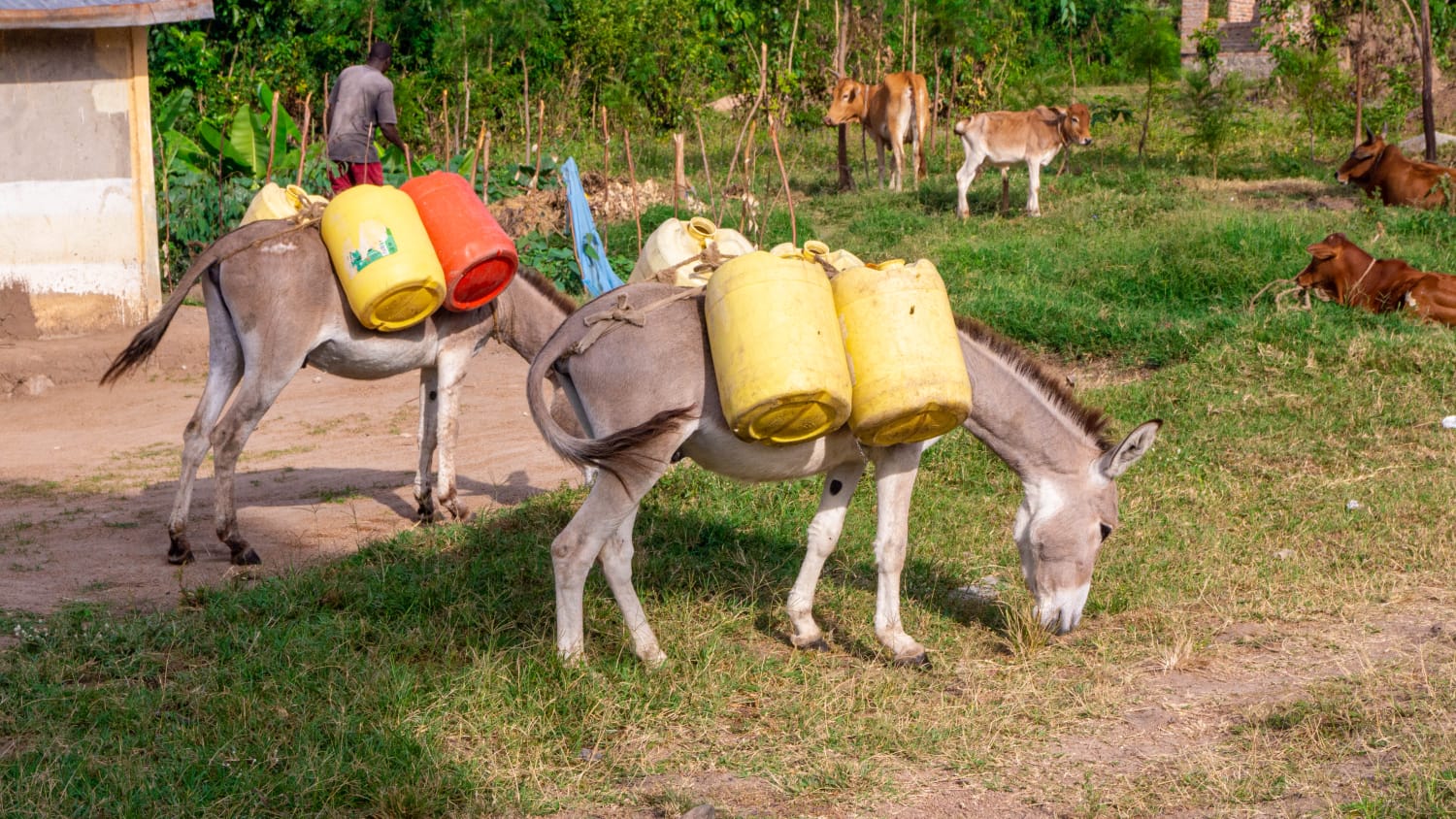
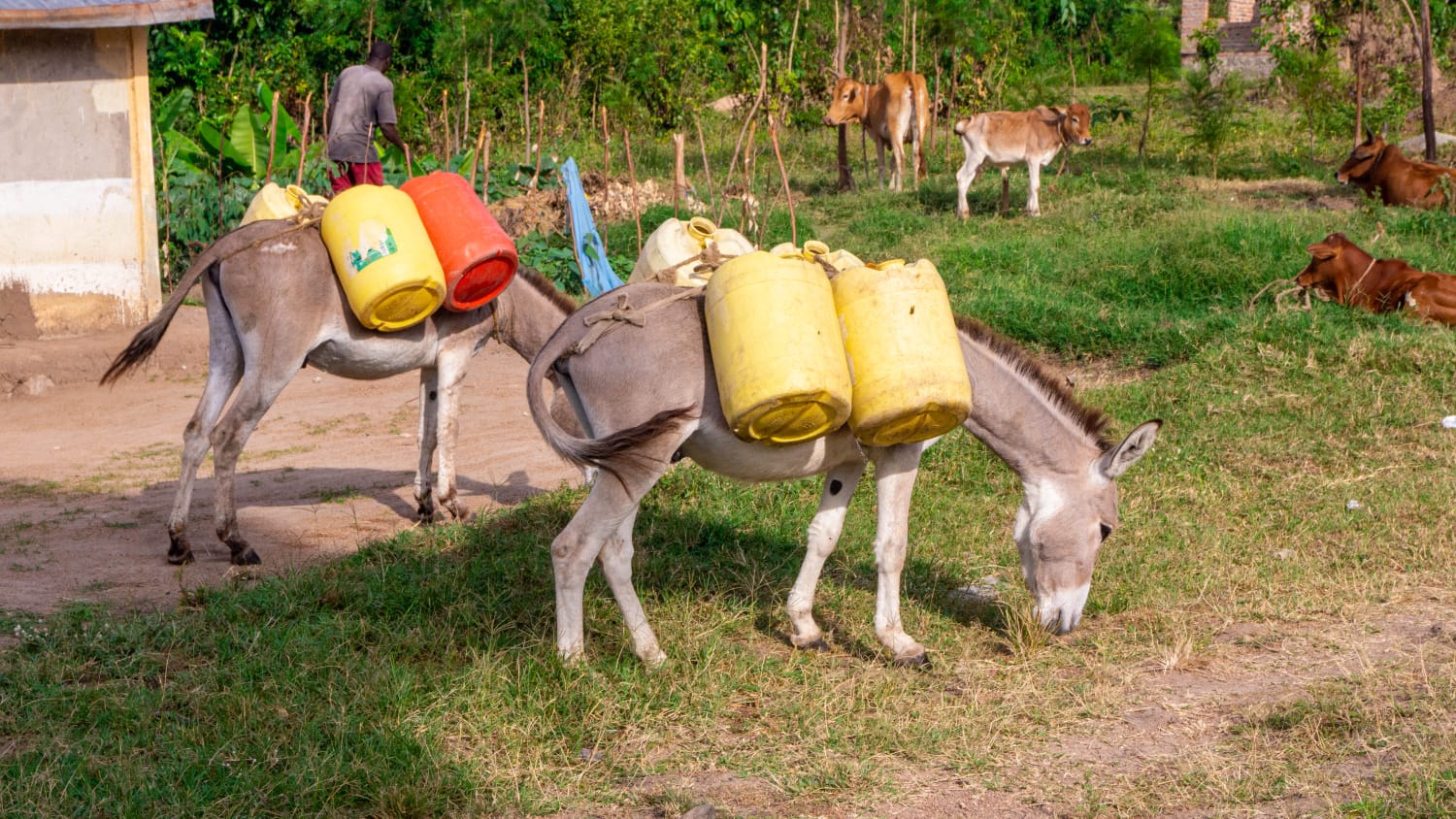
Women and girls walked long distances every day to collect water, sometimes from contaminated sources posing serious health risks.
Our first investment was therefore the drilling of a deep borehole. After extensive work, we successfully reached groundwater—a turning point that transformed the entire project.
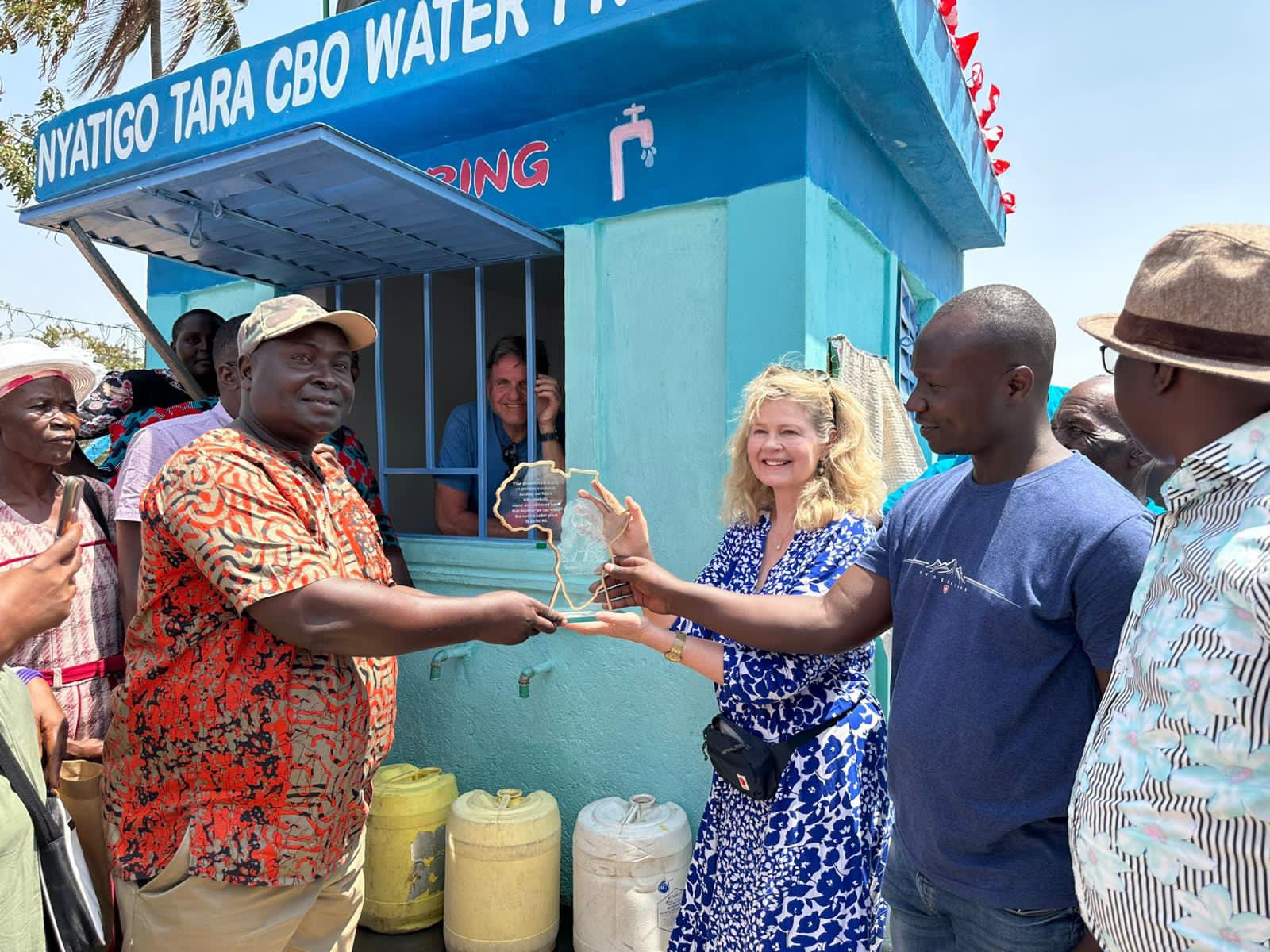
Today, the borehole supplies not only our farm but also the surrounding communities with clean drinking water. Over the past five years, more than 10,000 people have collected safe drinking water here.
What was once dry and unproductive land has become a vital source of life for the entire area.
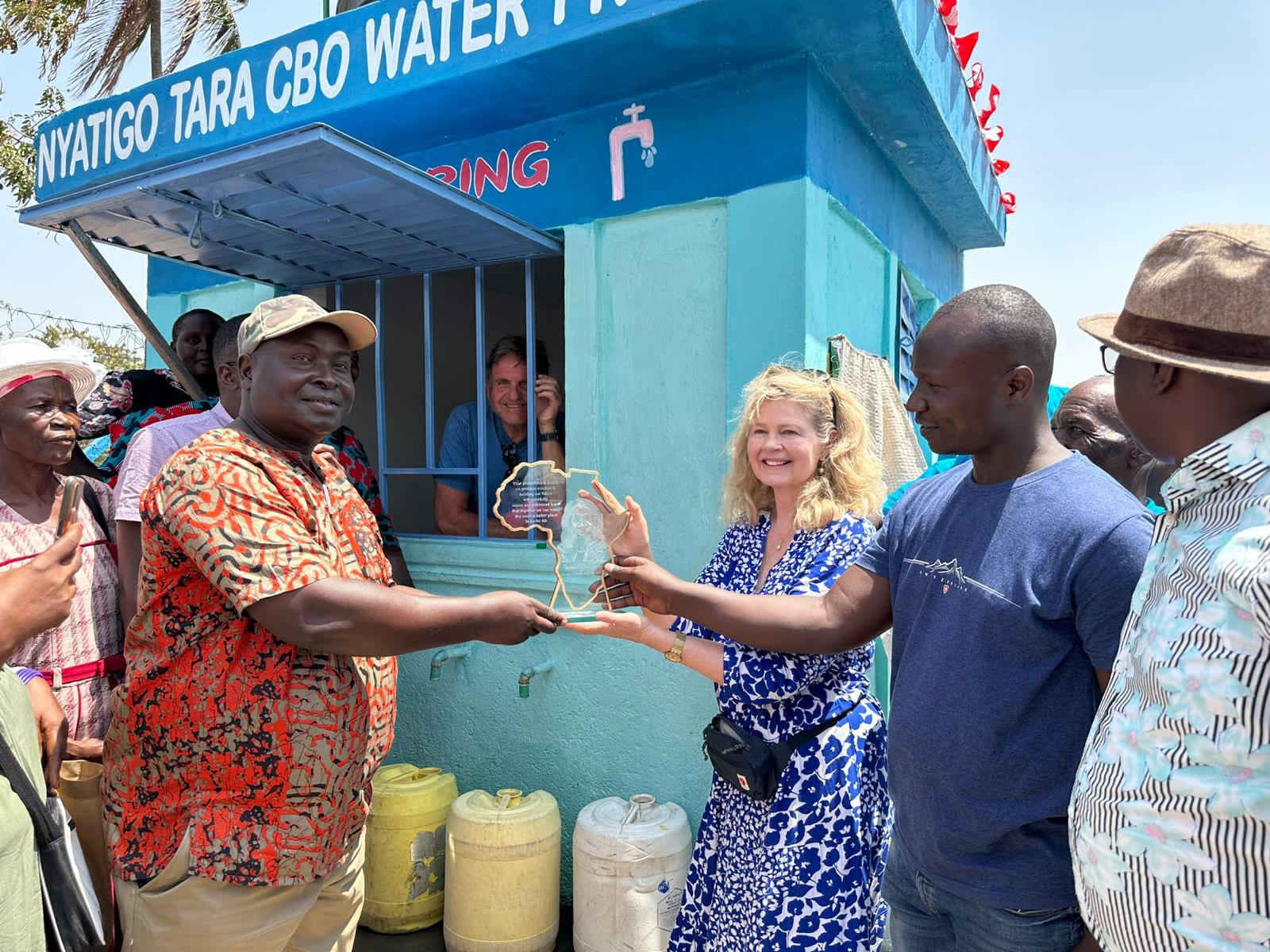
Clean water made it possible to transform the land and create a wider foundation for sustainable community development.
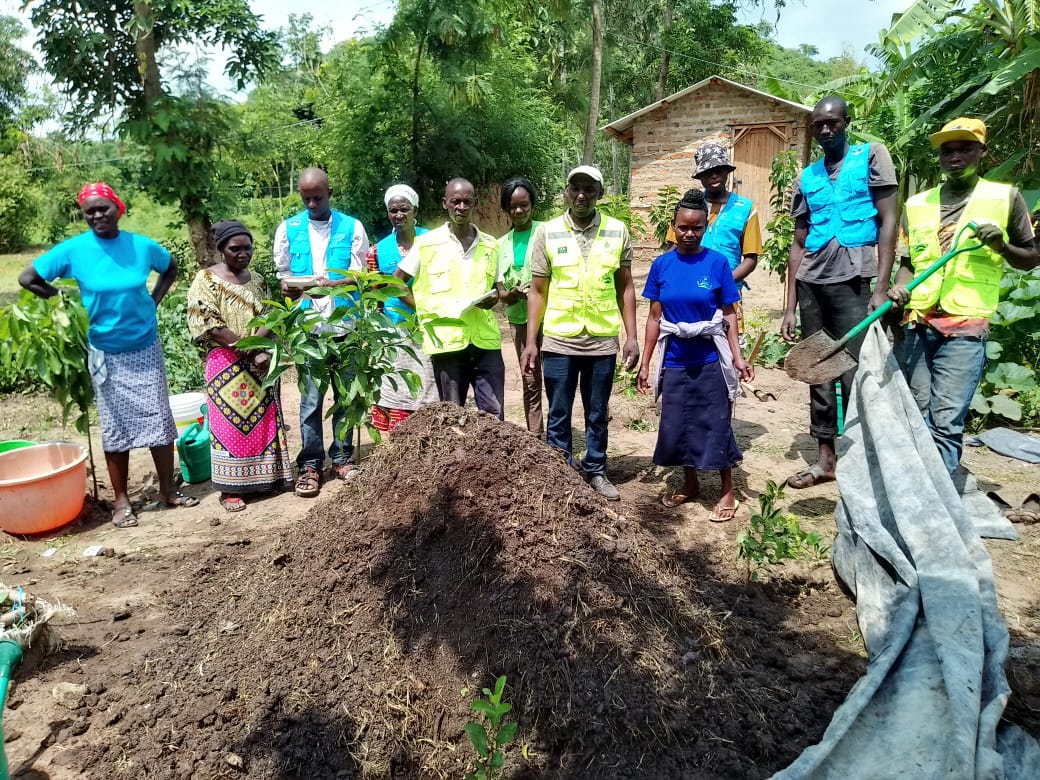
The reliable water supply opened the way for a productive, interconnected farming system.
With a reliable water supply secured, we began transforming the land. Together with our dedicated farm manager, Verah, we gradually developed the property into a productive, fully organic farm.
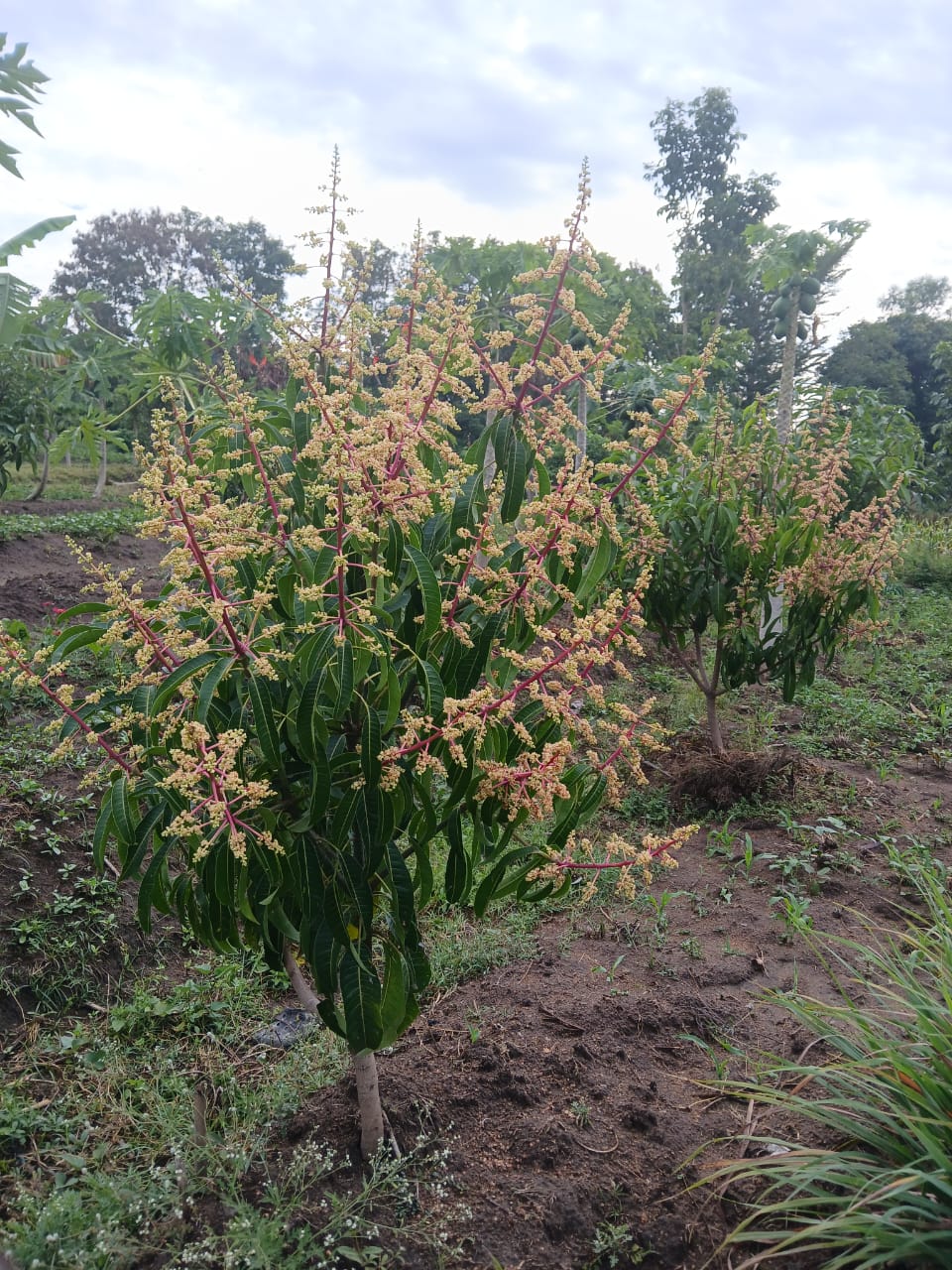
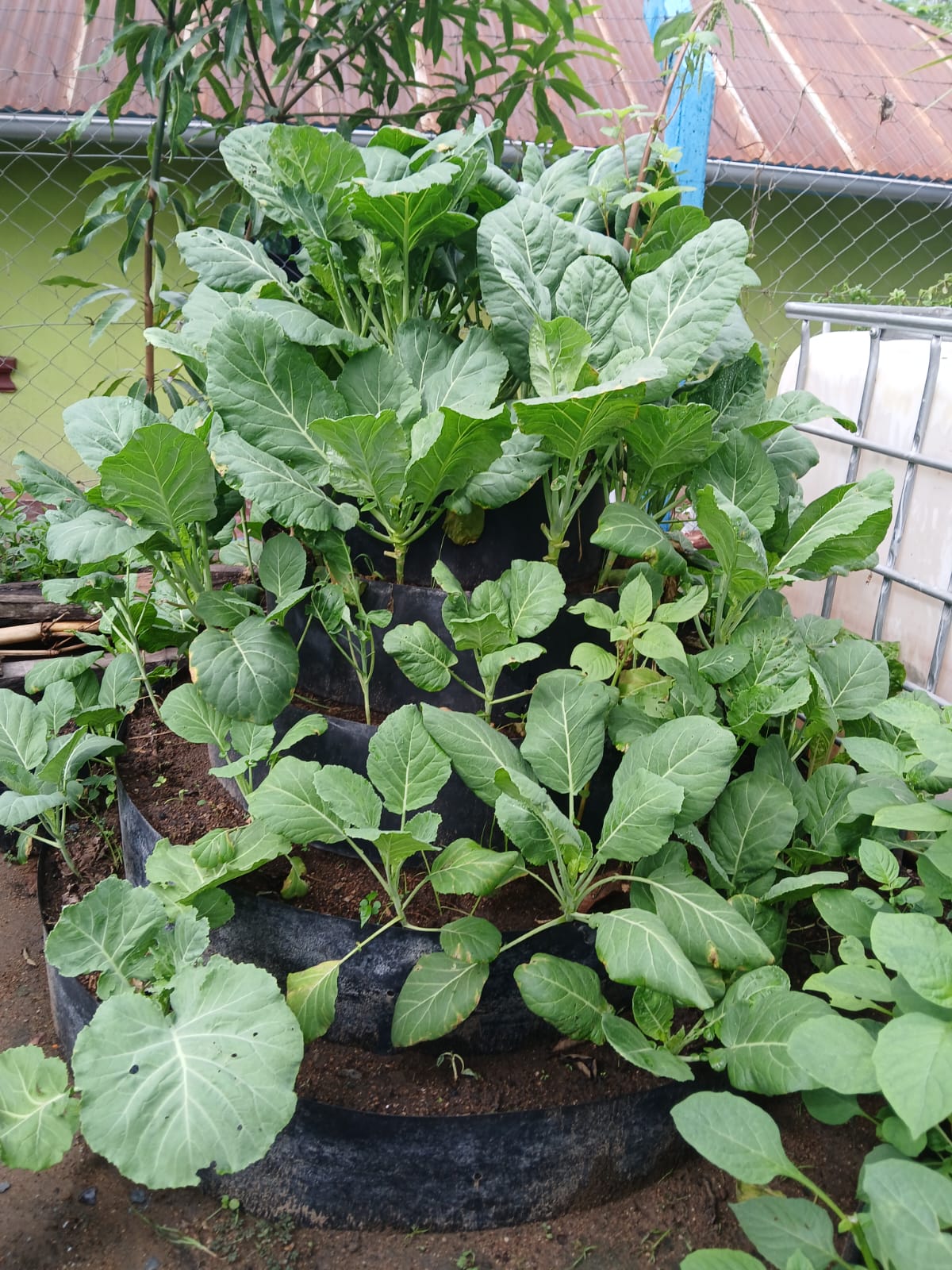
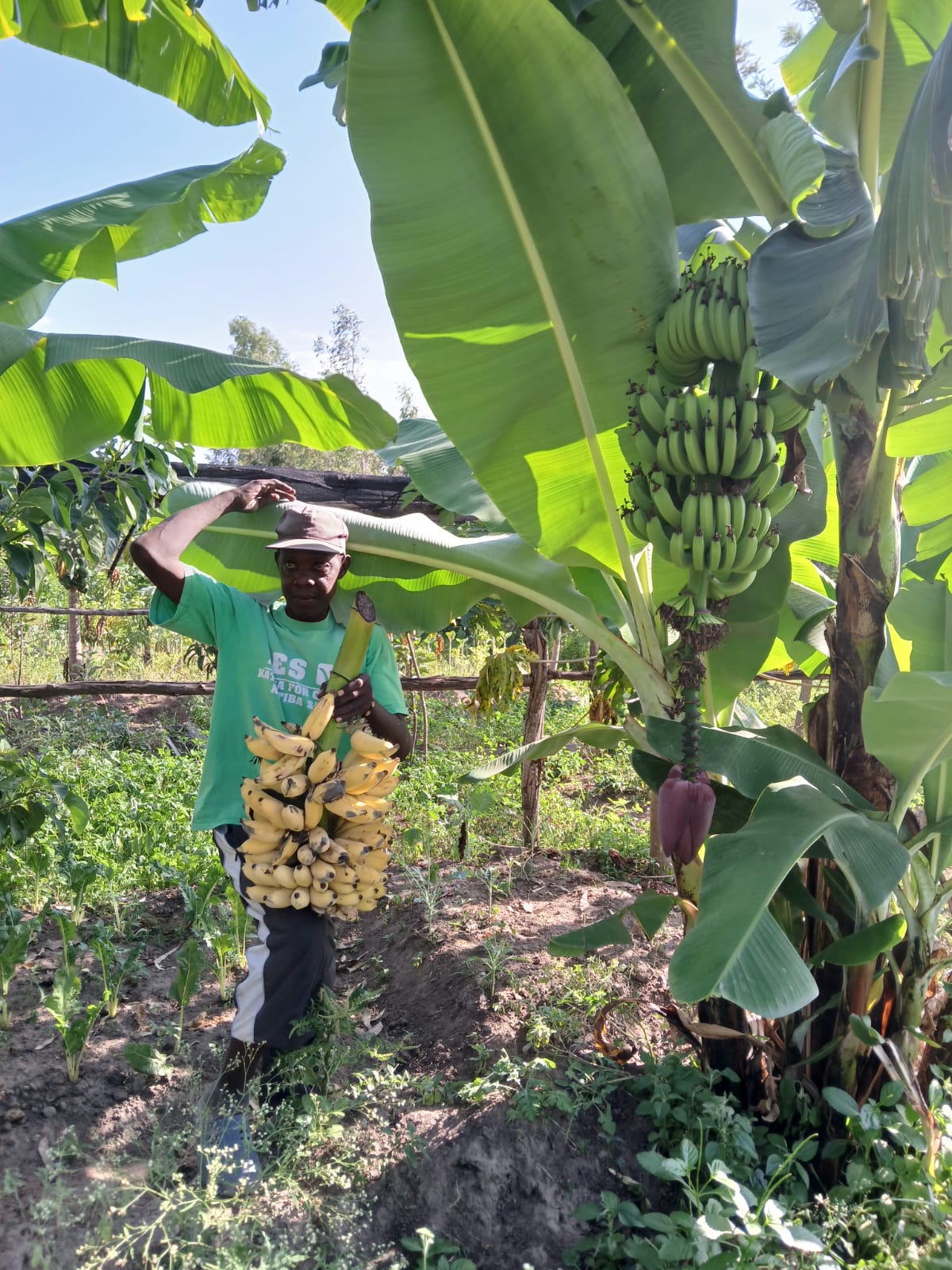
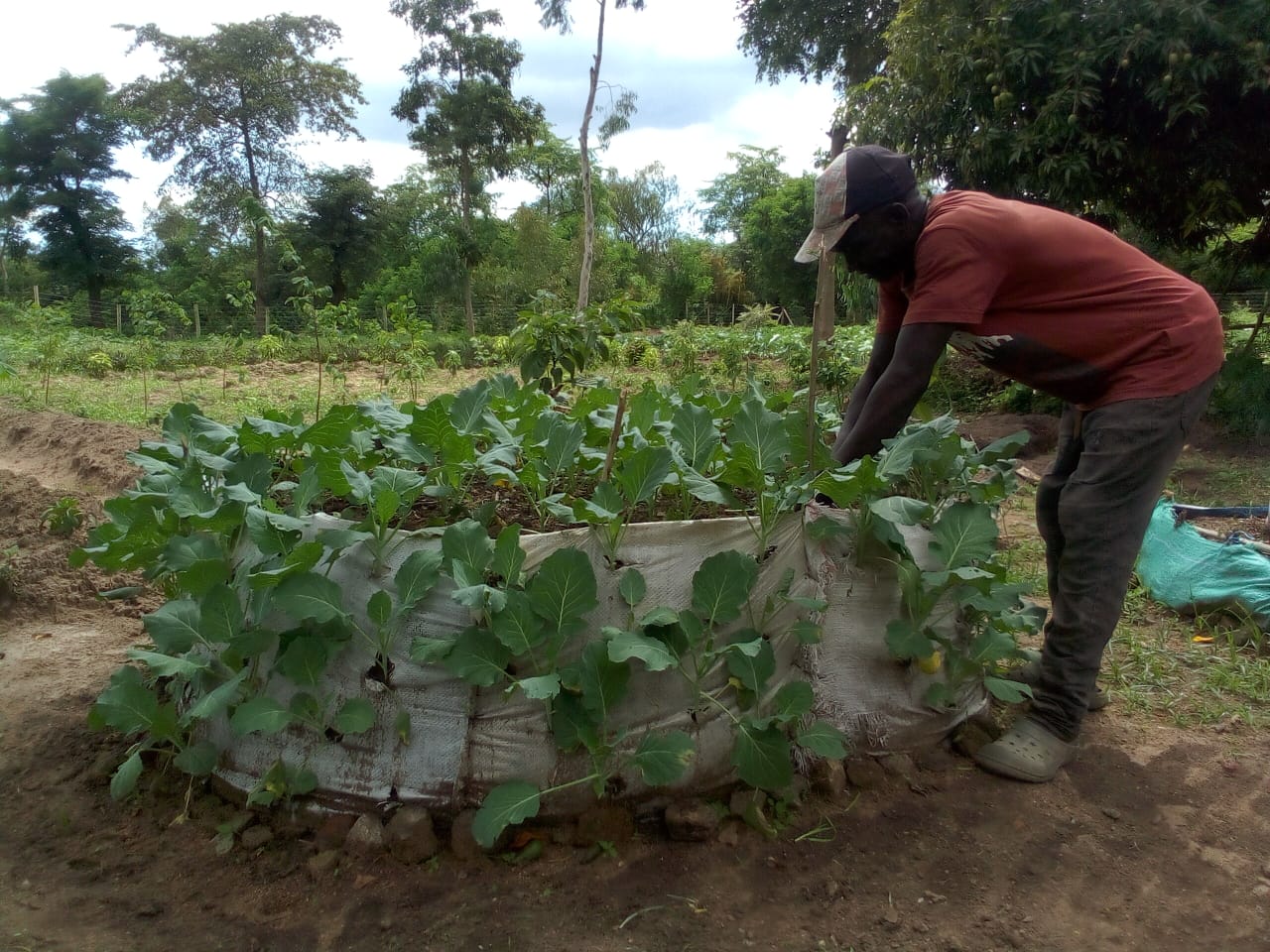
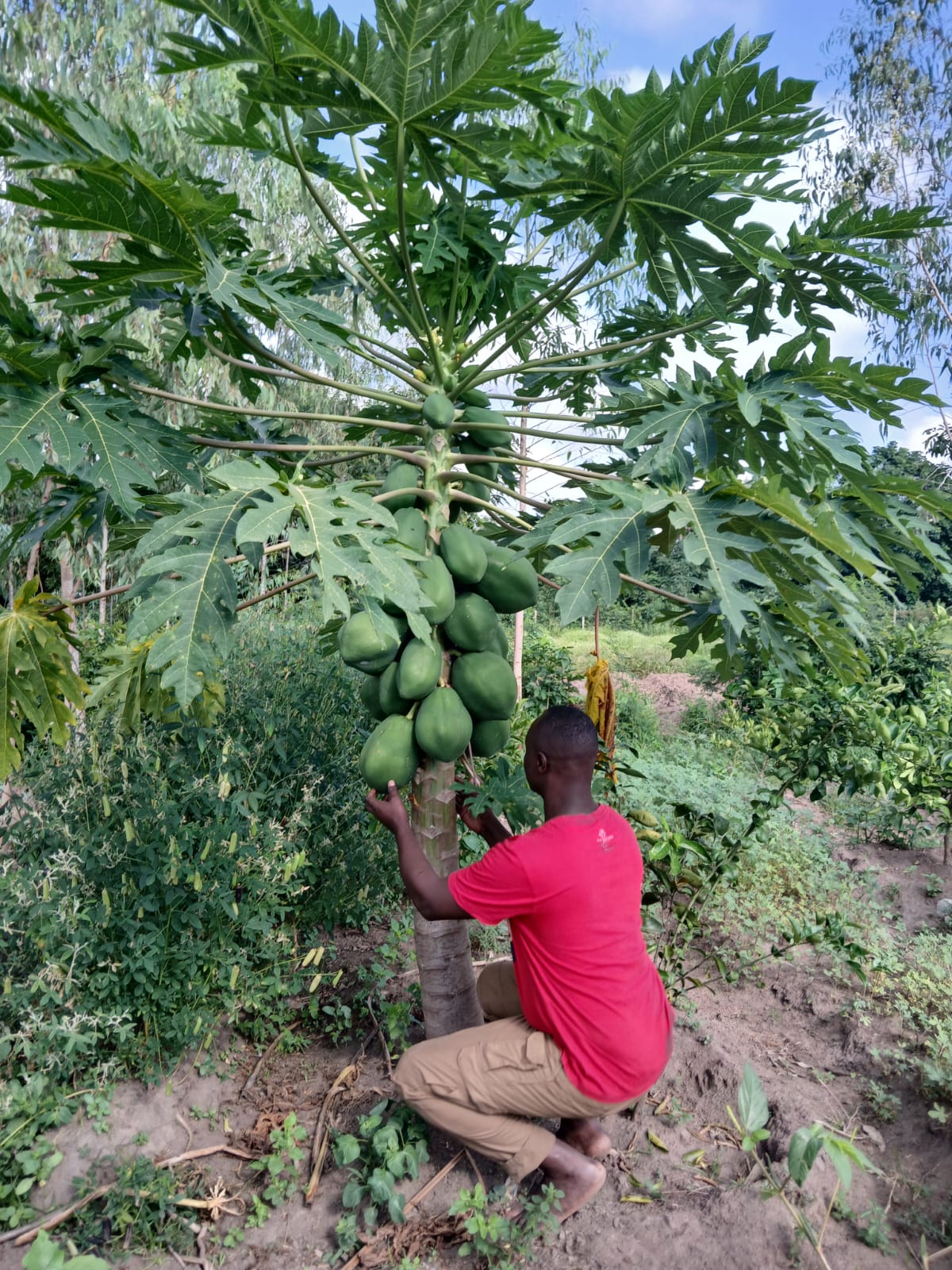
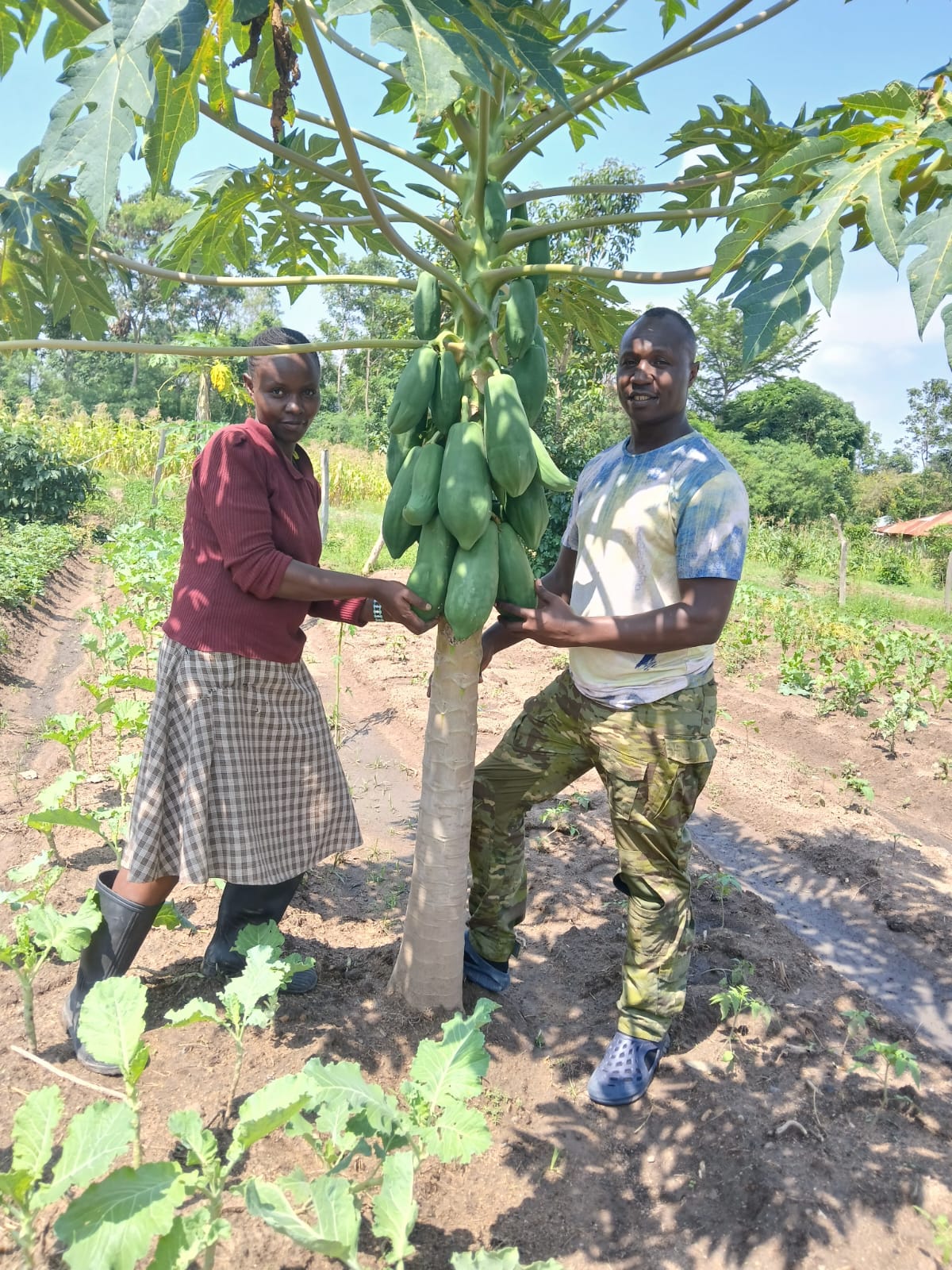
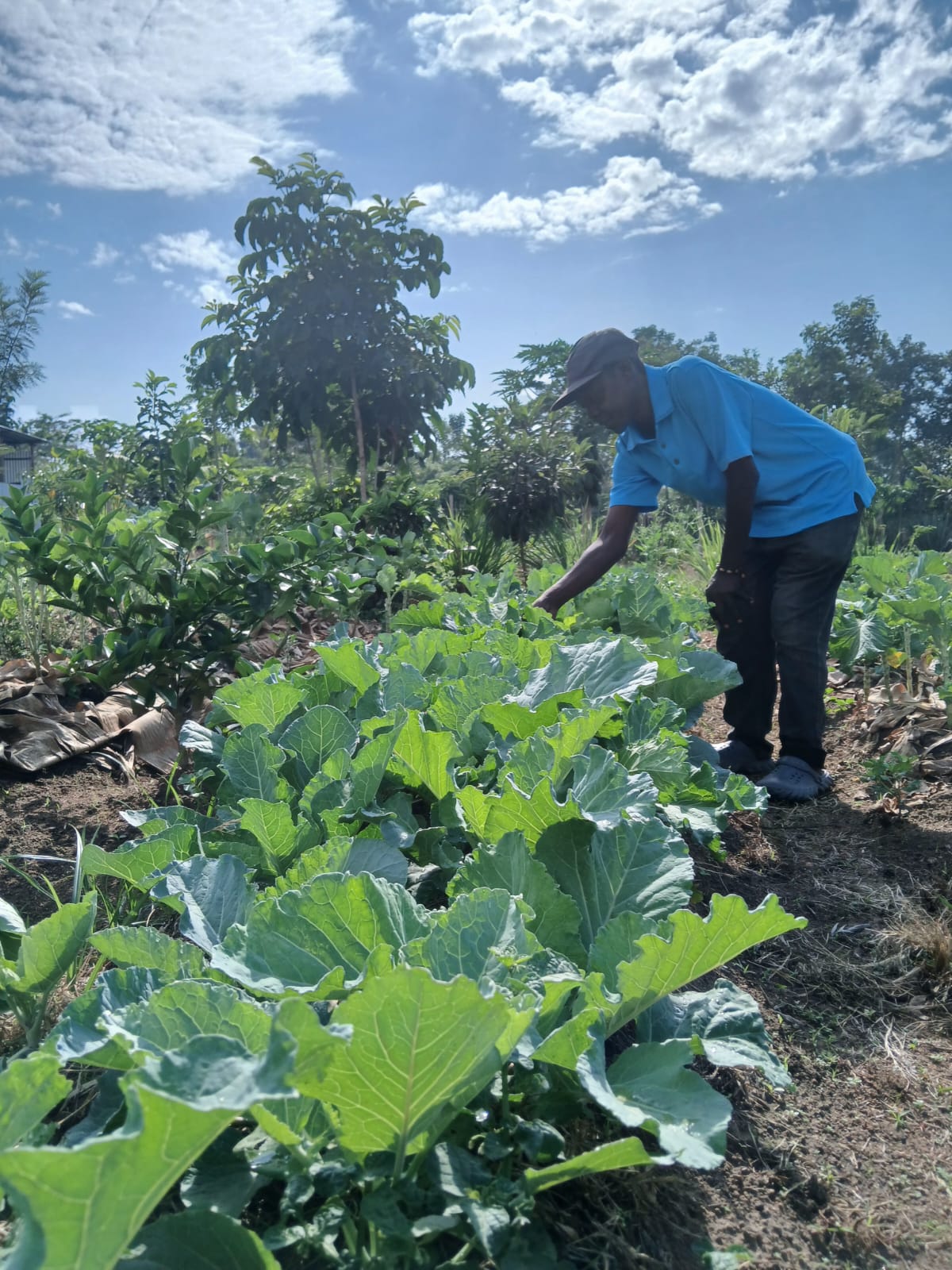
Today, the farm produces papayas, mangoes, avocados, citrus fruits and a wide variety of vegetables.
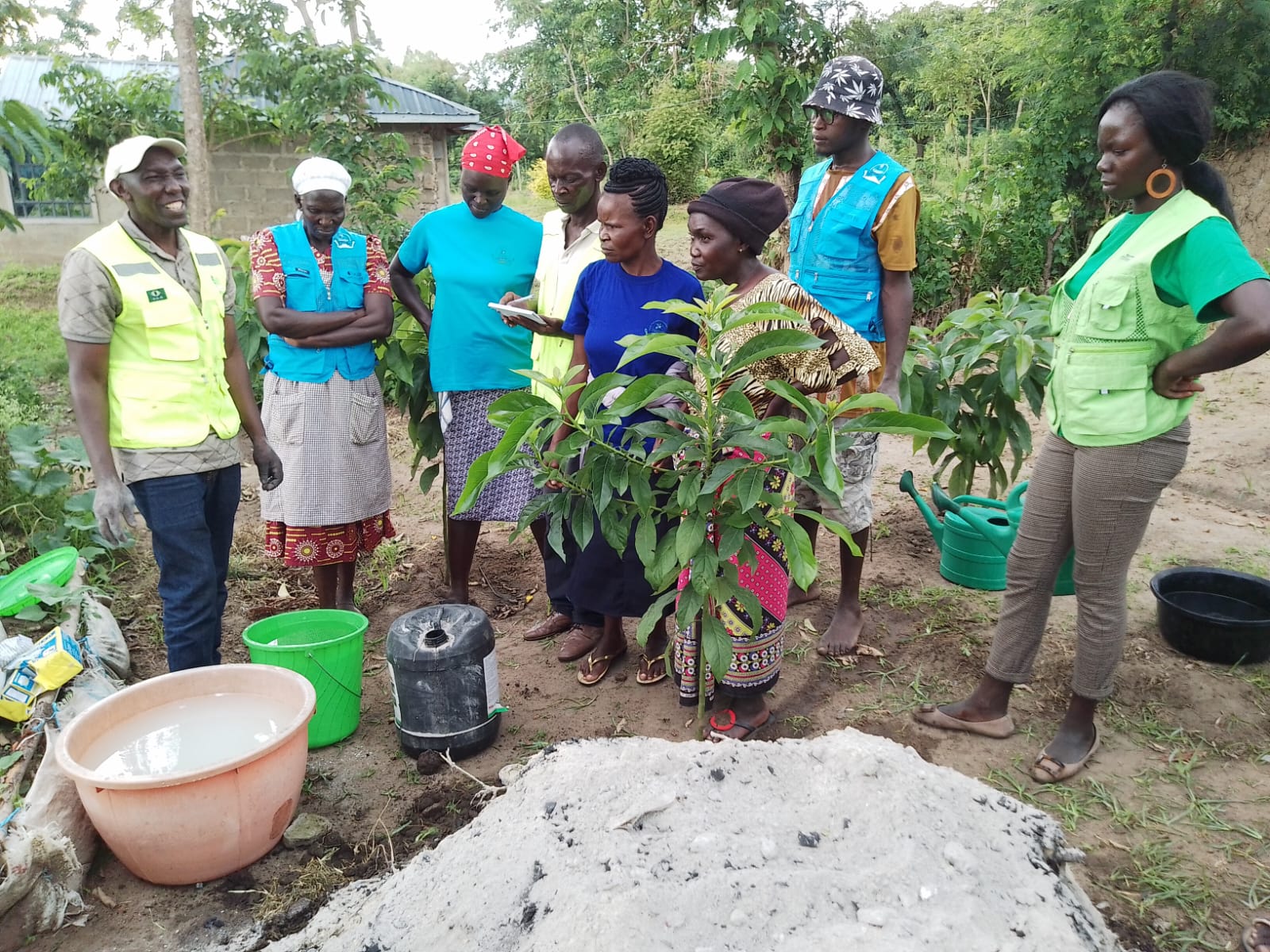
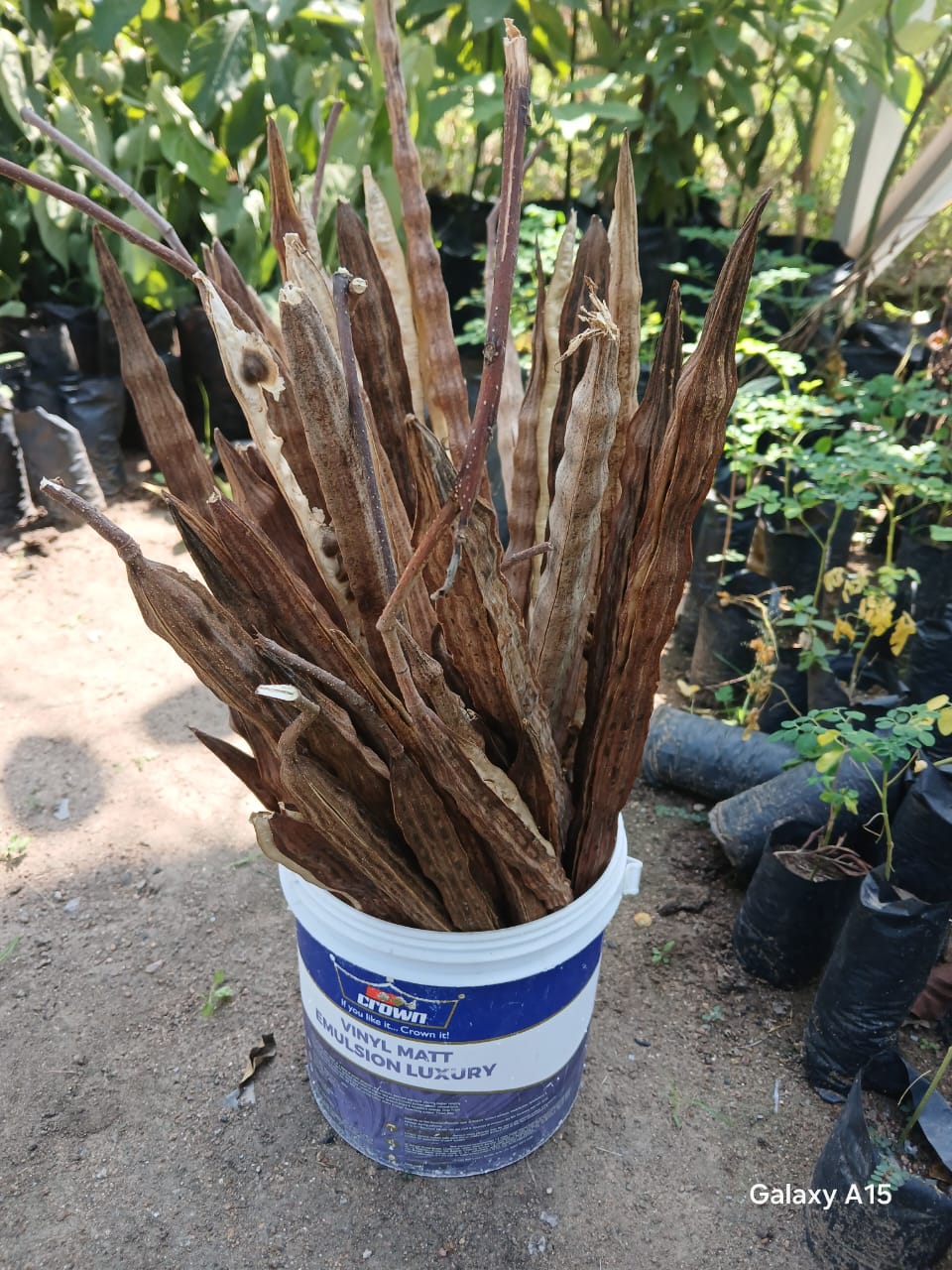
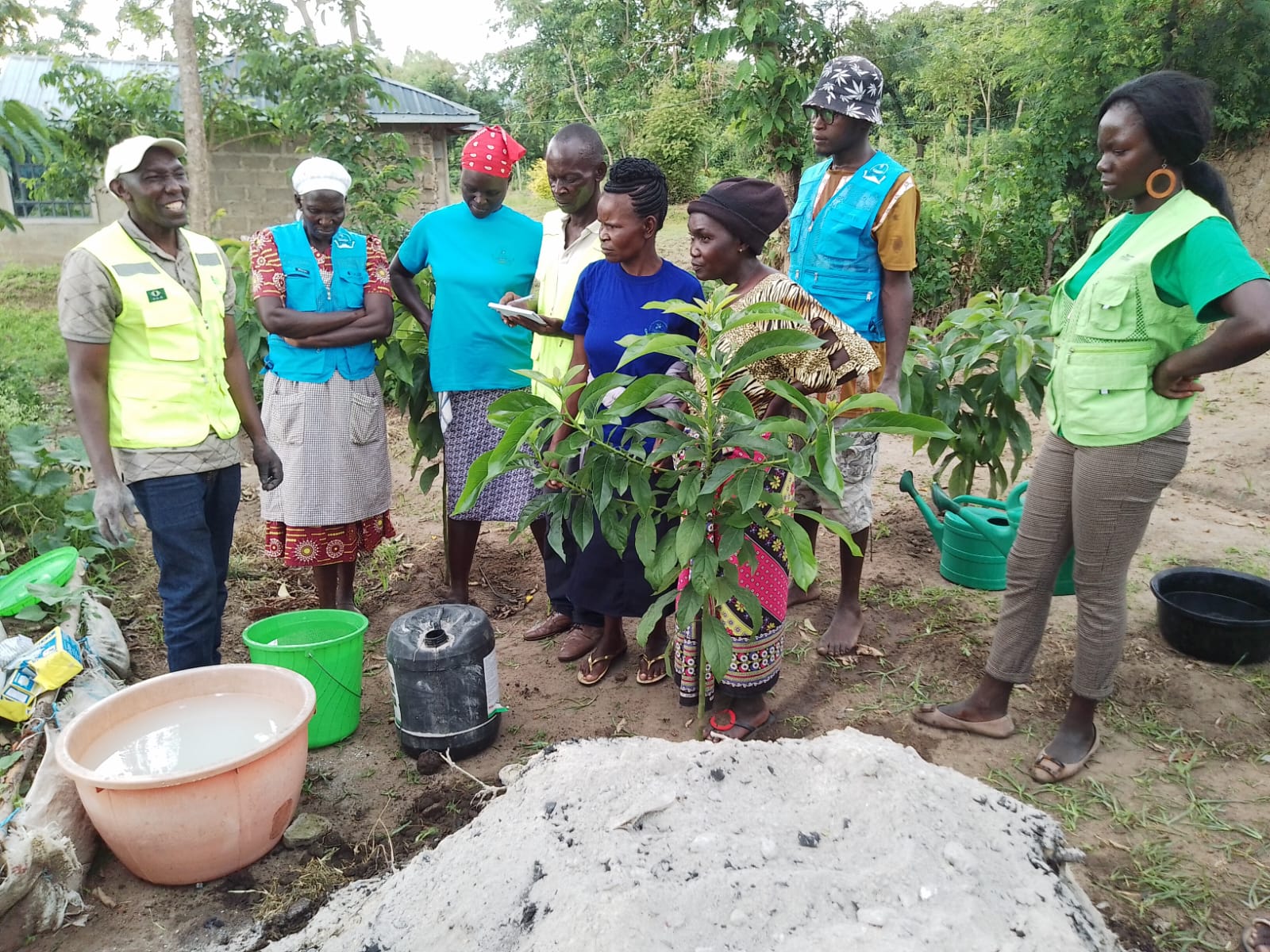
An important part of the project is our tree nursery, where we raise young fruit and shade trees. These trees are planted both on our farm and by local farmers, contributing to improved nutrition, soil conservation and environmental restoration.
The farm demonstrates how food production, environmental restoration and community learning can work together.
The tree nursery supplies young fruit and shade trees for the farm and local farmers, supporting nutrition, soil conservation and environmental restoration.
Papayas, mangoes, avocados, citrus fruits and diverse vegetables form part of the farm's productive organic system.
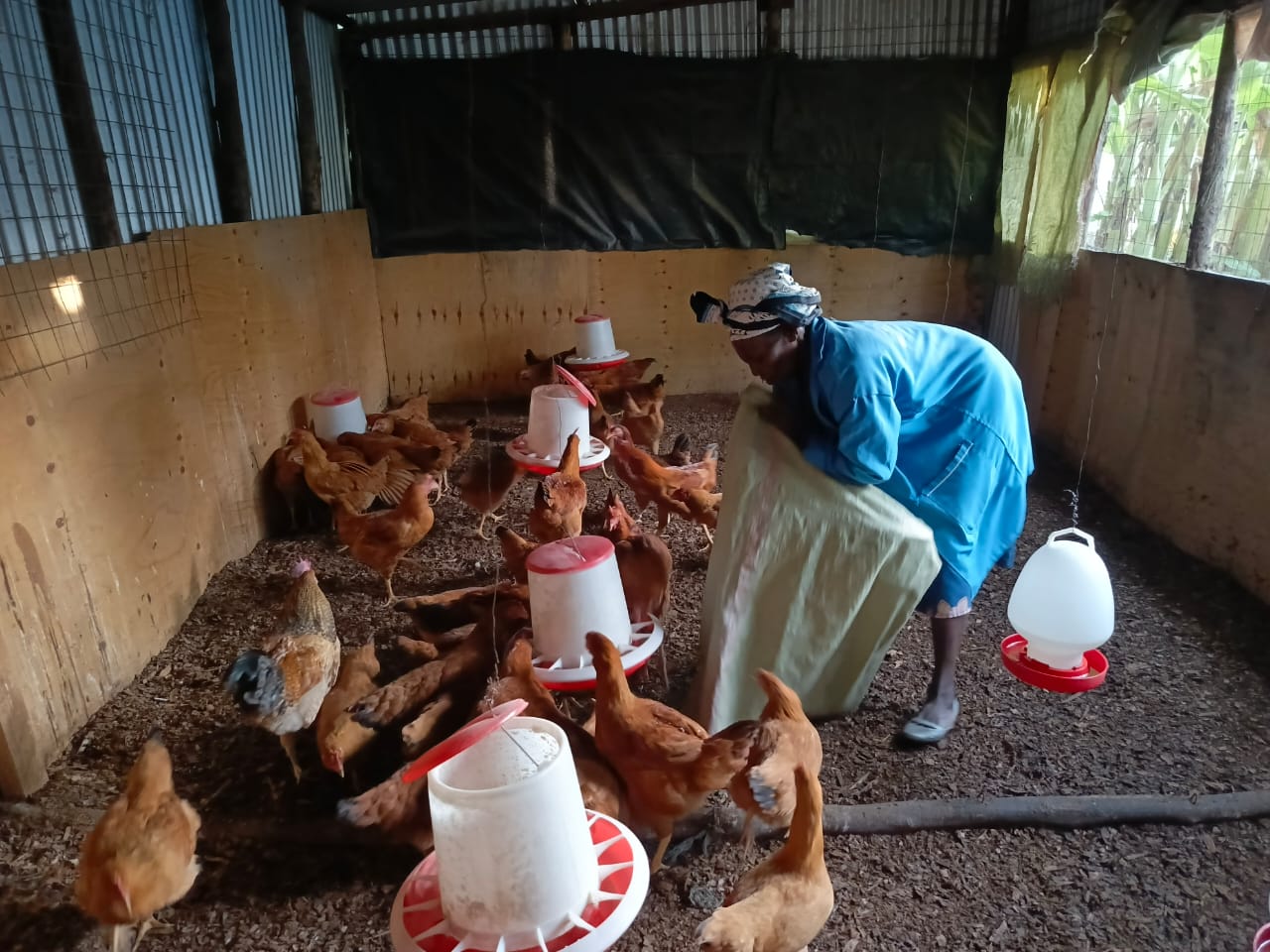
Cattle, chickens and rabbits provide milk, eggs and natural manure and are an essential part of the organic farming cycle.
Every component of the farm contributes to a natural cycle in which resources are used responsibly and sustainably.
The goal was never simply to build a successful farm. It was to create a place where knowledge could multiply.
Around 300 farmers have completed training on our farm and taken this knowledge back to their own communities.
The result is an impact that extends far beyond our own fields as trained farmers share what they have learned with others.
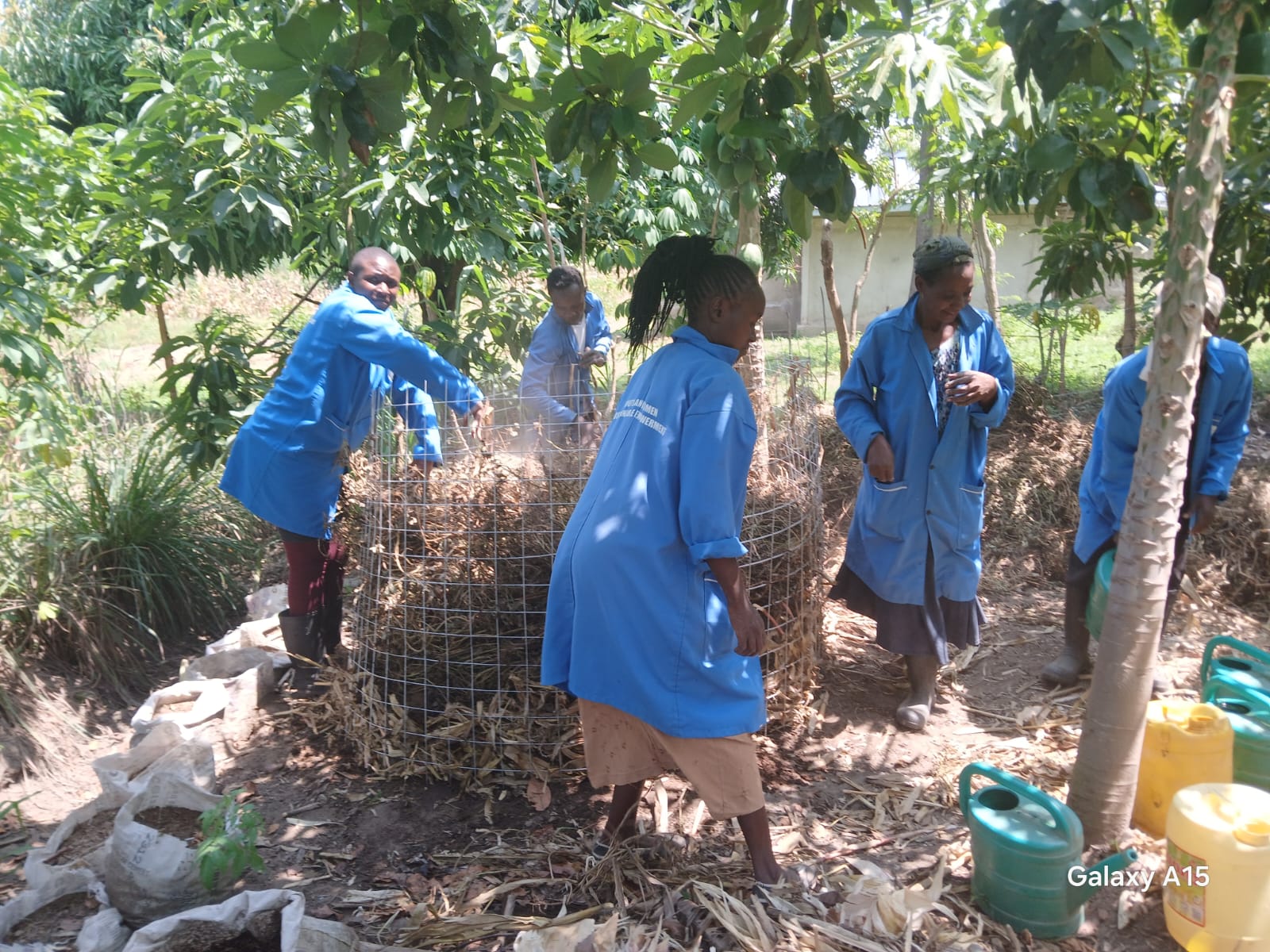
On our model farm, farmers gain hands-on experience in organic and regenerative farming techniques, including:
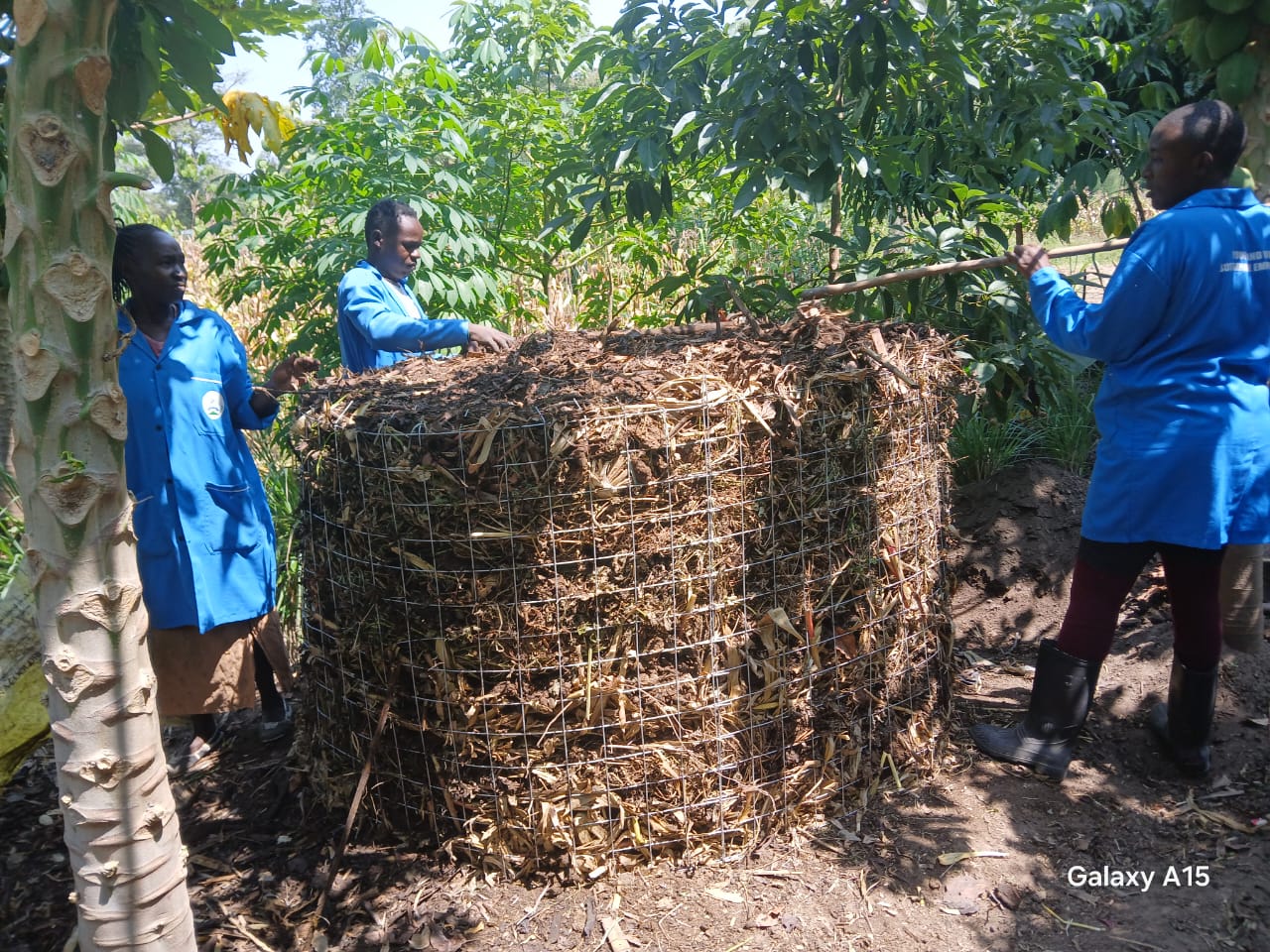
Practical approaches to producing natural soil amendments.
Building healthy, fertile soils through regenerative practices.
Using water responsibly to support productive farming.
Combining crops to strengthen resilient farming systems.
Integrating trees into productive agricultural landscapes.
Connecting livestock with crop production in a natural cycle.
Farmers see firsthand that regenerative agriculture not only protects the environment but also improves soil fertility, increases crop yields, produces healthier food and creates sustainable sources of income.
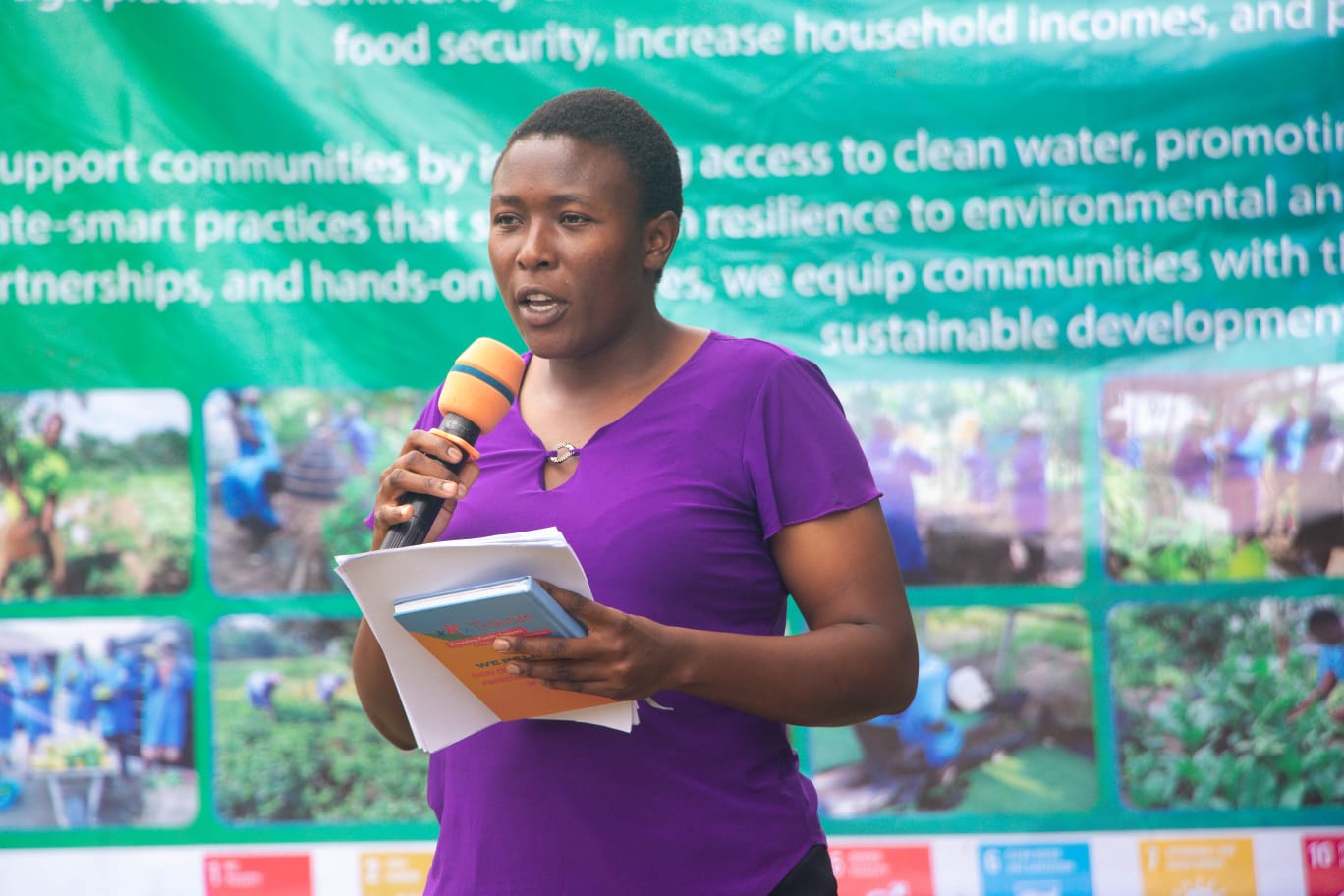
We regularly bring our knowledge of organic and regenerative agriculture into local schools, helping children and young people understand healthy soils, biodiversity, tree planting and sustainable food production.
Creating employment opportunities is another important part of our mission. Around 15 local men and women work on the farm each day in a rotating employment programme, allowing many families to benefit from regular income while acquiring valuable agricultural skills.
Our aim is not to create dependency but to provide people with knowledge, practical experience and confidence so that they can build sustainable livelihoods of their own.
Local men and women working each day
Skills that can be carried into future livelihoods
Employment, skills, experience and confidence are treated as connected parts of sustainable empowerment.
The farm is more than an agricultural project. It is a place of learning, hope and cooperation.
People who have collected safe drinking water from the borehole over the past five years.
Farmers who have gained practical organic and regenerative agriculture skills.
Indigenous trees contributing to restoration, biodiversity and environmental stewardship.
Local men and women participating in a rotating employment programme.
A deep borehole became a vital source of safe water for the farm and surrounding communities.
A productive organic farm now produces fruit, vegetables and livestock products within an interconnected system.
Training, school education and employment help people build practical skills and sustainable livelihoods.
Our farm is much more than an agricultural project. It is a place of learning, hope and cooperation.
What began with the meeting of two people has grown into a centre that provides clean drinking water, healthy food, education and new opportunities for an entire region.
We believe that genuine development cooperation is about helping people to help themselves. That is why we invest not only in crops and livestock, but above all in people—their knowledge, their skills and their future.
Every tree we plant, every successful harvest, every farmer we train and every child who gains access to clean drinking water reminds us that sustainable development is possible when people work together.
The model farm sits within wider community work focused on sustainable development.
Promoting practical farming systems that improve soil health, food production and livelihoods.
Supporting access to safe water as a foundation for health, dignity and sustainable development.
Planting trees and encouraging practices that restore soil, biodiversity and natural resources.
Sharing sustainable agriculture and environmental knowledge with farmers, children and young people.
Creating opportunities that strengthen knowledge, confidence, skills and sustainable livelihoods.
Working with people and partners to turn practical local solutions into lasting change.
People helping turn the vision of sustainable development into practical action.
Provides guidance, mentorship and support to the organization and its community work.
Coordinates activities and supports collaboration around community initiatives.
Oversees agricultural activities and practical learning at the demonstration farm.
Working with organizations, institutions and community groups to strengthen sustainable development.
We continue building partnerships with people and institutions that share our vision for sustainable development, climate resilience and community empowerment.
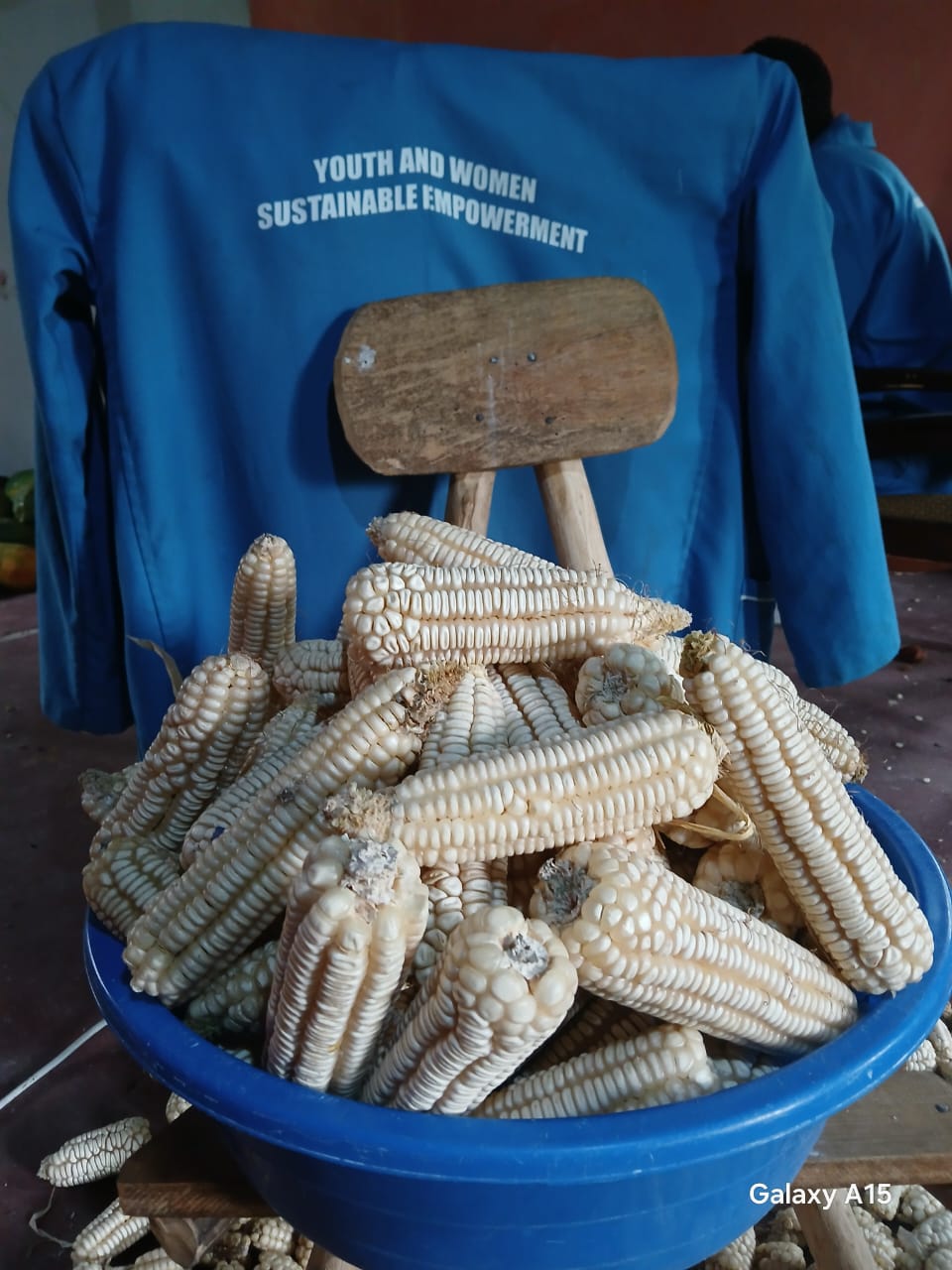
A glimpse of the farm, community activities, conservation and learning.


Every tree planted, harvest grown, farmer trained and person who gains access to clean drinking water is part of a larger story of sustainable development.